Managing Hypertension in Loxahatchee, FL
You may have heard that hypertension, or high blood pressure, is a silent killer. This is because most people who struggle with high blood pressure do not display any symptoms or warning signs that their health is in trouble. Nearly half of all adults in America have hypertension, though many are unaware of it. While these patients may not experience any pain or discomfort, their condition could still be life-threatening. At Prestige Internal Medicine, our goal is to raise awareness and provide the tools and resources needed to identify hypertension early and help our patients live long, happy, and healthy lives.
What Causes Hypertension?
Hypertension occurs when the pressure or force of the blood is too high against the walls of the arteries. This is determined by the resistance of blood flow in the arteries as well as the amount of blood pumped by the heart. If the amount of blood flow is too high and the arteries are too narrow, you will experience high blood pressure, which can lead to serious health complications. Those with hypertension tend to be at greater risk for heart disease and stroke.
There are two main types of hypertension:
- Primary, or essential, hypertension: This is the most common type of hypertension, which gradually develops over time.
- Secondary hypertension: This type can be more severe and is usually caused by an underlying condition such as thyroid problems, kidney problems, obstructive sleep apnea, congenital defects, adrenal gland tumors, certain medications, and/or illegal drug use.
As mentioned, it is not uncommon to have hypertension without any symptoms. Those who do experience symptoms typically report frequent nosebleeds, shortness of breath, and headaches, though these signs usually do not appear until the condition has become severe. This is why it is so important to take appropriate preventive measures to detect high blood pressure as early as possible, so your condition can be managed before it progresses to a dangerous level.
Prevention and Treatment
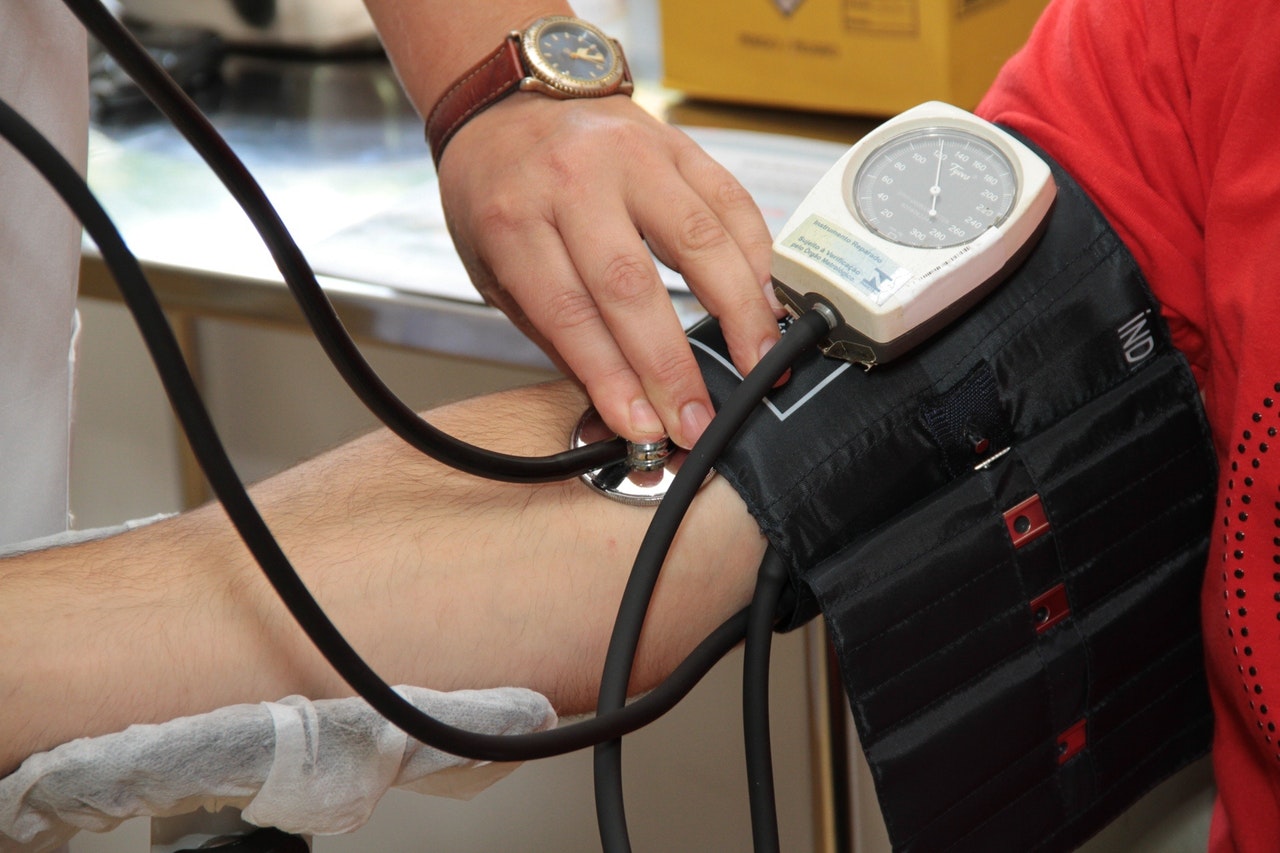
While hypertension can be very serious and even life-threatening, it can be easily detected, and there are many steps you can take to reduce your risk. A simple blood pressure reading can gauge whether you struggle with hypertension and can tell your doctor a great deal about the severity of your condition. This reading is typically performed anytime you visit your doctor's office, and many drug stores and pharmacies also have equipment available if you wish to check your blood pressure more frequently.
It is important to note that while these resources are helpful and can provide useful information about your health, they are not a substitute for routine check-ups with your doctor. Regular visits remain an essential part of monitoring and managing your blood pressure over time.
While some risk factors such as age and family history are out of your control, many are easily preventable. Consuming a low-sodium diet, eating plenty of potassium-rich foods, reducing alcohol and tobacco consumption, and exercising regularly are all steps you can take to help prevent or manage hypertension. Stress can also contribute to high blood pressure, so make time to unwind and relax whenever possible.
We are proud to provide services that identify and address hypertension in our patients. If you have high blood pressure, we can help you make the necessary lifestyle changes and, when appropriate, prescribe medication to aid in the management of your condition and help prevent stroke, heart attack, and other health complications. Hypertension management is an important part of our broader chronic disease and preventive care services at our Loxahatchee, FL practice.
For more information on hypertension and our treatment options, contact our office today at (561) 517-8678.
Frequently Asked Questions About Hypertension
Why is hypertension called a silent killer?
Hypertension is called a silent killer because most people who have high blood pressure do not display any symptoms or warning signs. Nearly half of all adults in America have hypertension, and many are unaware of it. Even without pain or discomfort, the condition can be life-threatening, which is why regular blood pressure screening is so important.
What are the symptoms of high blood pressure?
Many people experience no symptoms at all. When symptoms do occur, they may include frequent nosebleeds, shortness of breath, and headaches, but these typically do not appear until the condition has become severe. Because symptoms are unreliable, routine blood pressure checks are the best way to detect hypertension early.
What are the different types of hypertension?
There are two main types. Primary, or essential, hypertension is the most common and develops gradually over time. Secondary hypertension can be more severe and is usually caused by an underlying condition such as thyroid problems, kidney problems, obstructive sleep apnea, congenital defects, adrenal gland tumors, certain medications, or illegal drug use.
How is hypertension diagnosed?
A simple blood pressure reading can determine whether you have hypertension and indicate the severity of your condition. This is typically performed during any visit to your doctor's office. While pharmacy and drug store machines can help you monitor your blood pressure between visits, they are not a substitute for routine check-ups with your physician.
How can I prevent or reduce my risk of hypertension?
While some risk factors such as age and family history cannot be changed, many are preventable. Consuming a low-sodium diet, eating plenty of potassium-rich foods, reducing alcohol and tobacco use, exercising regularly, and managing stress can all help prevent or control high blood pressure. Our team can help you build a plan that works for your lifestyle.
How does your practice treat hypertension?
We provide services to identify and manage hypertension in our patients. Depending on your needs, treatment may include guidance on lifestyle changes and, when appropriate, prescription medication to manage your condition and reduce the risk of stroke, heart attack, and other complications. Contact our Loxahatchee, FL office at (561) 517-8678 to learn more.